Thinking about a new concrete driveway? Treat it like a budget line. Know what drives the price, watch the calendar, and compare quotes before you commit. A cracked, sunken or flaking drive often costs more to patch each year than it would to replace once.
Meanarray Concrete is a referral service. We connect homeowners in Doral and the Doral area with independent local providers who handle tear-out, base prep, forming and the pour. Meanarray Concrete does not do the work. Providers set their own schedules, prices and terms, so ask each one for a written quote and compare the scope line by line. Humid weather and summer storms also shape when a pour makes sense, so plan early.
Is it time for a new driveway?
Start with a simple budget question. Will another patch cost more over five years than one new pour? If cracks keep coming back, the answer is often yes. Concrete driveway repair can make sense for a few clean, narrow cracks. It stops making sense when the slab is moving.
Signs a patch will not hold
Walk your drive on a dry morning and look for these:
- Cracks wider than a pencil, or edges sitting at different heights
- Spalling, where the top layer flakes off in patches
- Sunken spots that hold water after a storm
- Crumbling edges near the garage or the street
- Stains and pits that return after cleaning
Two or three of these together point toward replacement. One alone may not.
How the clock works on a failing slab
Damage moves in stages. In the first weeks, water slips into a hairline crack. With near-daily summer storms, that water rarely dries out. Over months, the soil under the crack washes thin and a void forms. Then the slab sags and the crack widens. Each stage costs more to fix than the one before. A slab that could be patched in spring may need a full tear-out by the next hurricane season.
Plan around the weather
Concrete needs dry hours to set well. Summer here brings afternoon storms, so many providers pour early in the day. Heat speeds up setting, which leaves less time to finish the surface. Hurricane season runs June to November, and schedules can slip when a storm is in the forecast. Many homeowners book in the drier months for more flexible dates. Plan before the pour, not after the first cracks.
What a new driveway job includes
Most quotes cover the same core steps. Ask each provider to list them in writing.
- Tear-out and haul-away of the old concrete
- Grading and a compacted base, often crushed stone
- Forms, steel mesh or rebar, and control joints
- The pour, finishing and sealing
- Site cleanup
Day one: tear-out and base
The old slab is broken up and hauled off. Then the base is graded so water runs away from the house. Skimping on base prep saves little now and costs a lot later.
Day two: forms, steel and the pour
Forms set the edges and steel goes in. Then the truck arrives and the clock starts. Providers have a short window to place and finish the mix before it stiffens. Control joints are cut within hours so any cracking follows planned lines.
Days three to ten: curing
The slab looks done but is still gaining strength. Keep feet off for a few days and cars off for about a week, or as your provider says. Concrete reaches design strength around 28 days. Early heavy loads can leave cracks or ruts.
Size, thickness and finish
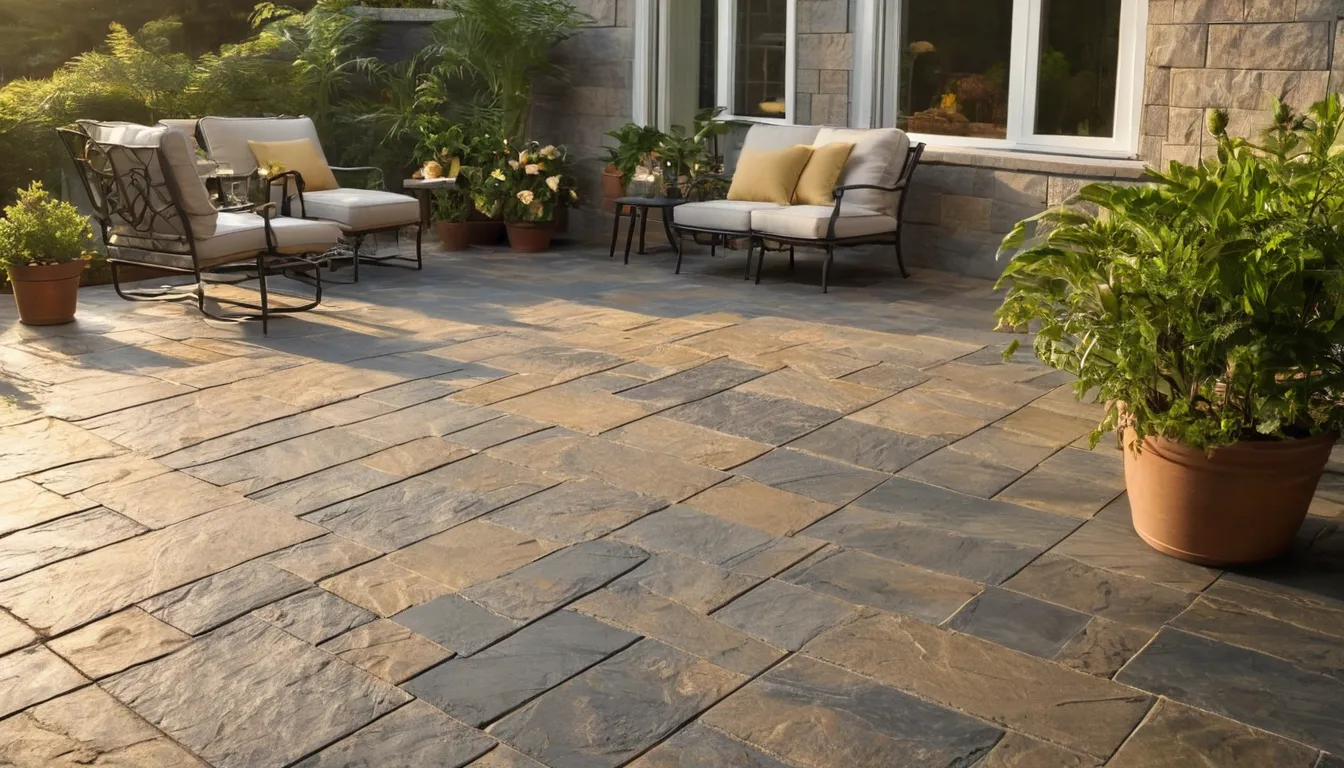
Width and length set your base cost. A one-car drive is often 10 to 12 feet wide. Two cars usually need 18 to 24 feet. Four inches of thickness is common for cars. Five or six inches suits heavy trucks or an RV. A broom finish gives grip when wet, which helps in rainy weather. If you want patterns, stamped concrete patios and drives have their own page. Ask how each choice changes the price.
Permits and the street apron
The apron is the section where your drive meets the street. It often sits in public right-of-way. Many towns and HOAs require a permit, and some set rules for width or thickness. Condos and subdivisions may add approval steps. Ask each provider who pulls the permit and whether the fee is in the quote. Permits take time, so put them on the calendar early.
Know the price drivers
Price comes down to a few things. Square footage comes first. Then tear-out, base work, thickness, steel, finish and site access. Drainage fixes and tree roots add cost. Typical U.S. prices vary by job, so treat the table on this page as a rough guide only.
Choosing a local provider
Providers in our network are independent. They do the work, not Meanarray Concrete. Whoever you pick, ask plain questions:
- Are you licensed and insured for this work in my state?
- Who pulls the permit?
- What base depth and slab thickness are in the quote?
- How are rain delays handled?
- What is the payment schedule?
Compare written quotes
Get at least three. Line them up item by item. A low number may leave out tear-out or steel. A higher one may include a thicker slab. A fair comparison is about the same scope, not just the total.
After the pour: the first month
In a humid climate, mildew and stains build up fast. Many providers suggest sealing once the slab has cured. Wash the surface gently. Keep sprinklers from soaking the edges. Check the joints each season and ask your provider about care for your finish.
When the trouble is under the slab
Sometimes a sinking drive points to soil or drainage near the house. If cracks run along the home's own slab or walls, that is a job for foundation repair experts, not a driveway pour. Ask a provider to flag it before you pay for new concrete. Other concrete flatwork, like walks and patios, may share the same soil issue.
What's Included
Tear-out and haul-away
Old cracked concrete is broken up and removed so the new slab starts on a clean site.
Base and grading
A compacted stone base and proper slope help keep storm water moving away.
Forms, steel and joints
Edges are formed, steel is placed, and joints are cut to guide future cracks.
Pour, finish and sealing
The mix is placed, finished and often sealed to handle humidity and stains.
Typical new driveway costs in the U.S.
These are rough national ranges. Local prices vary by job, site access and season, so ask each provider for a written quote that lists every line.
| Item | Typical range | Notes |
|---|---|---|
| Broom-finish slab, per sq ft | $6 – $12 | Four inches is common for cars |
| Tear-out and haul-away, per sq ft | $2 – $5 | Thicker or reinforced old slabs cost more |
| Base prep and grading, per sq ft | $1 – $3 | Poor soil or slope can raise this |
| Steel mesh or rebar, per sq ft | $0.50 – $1.50 | Often included in the slab price |
| Permit and apron work | $100 – $1,000 | Rules and fees differ by town |
| Typical two-car driveway total | $5,000 – $12,000 | Size, finish and access drive the range |
How It Works
Walk your drive
Note cracks, sunken spots, drainage and the size you want, then measure roughly before you ask for quotes.
Request an estimate or call
Use the request form, or request a callback to check provider availability in your area.
Compare written quotes
Line up scope, thickness, base, permits and payment terms from at least three providers.
Schedule and plan the pour
Pick a date with weather in mind, confirm the permit, and keep cars and sprinklers clear.
Why Call Meanarray Concrete
Know the price drivers
Size, base work, thickness and finish explain most of a quote, so you can spot what is missing.
Watch timing
Storm season and heat change pour dates, so early planning gives you more choices.
Compare quotes
Written quotes with the same scope let you compare providers fairly, line by line, not just by total.
Independent providers
Providers do all the work and set their own terms, and Meanarray Concrete only makes the introduction.
Other Services
Need concrete driveways help in Doral?
Planning a driveway or patio? Request a callback to check provider availability, or send a request and compare written quotes.
No obligationConcrete Driveways Help FAQ
How much does a new concrete driveway cost?
Typical U.S. prices run about $6 to $12 per square foot, and a two-car drive often lands between $5,000 and $12,000. Tear-out, base work and finish change the total, so get written quotes.
How long before I can drive on a new concrete driveway?
Many providers ask for a few days of foot traffic only and about a week before cars. Concrete keeps gaining strength for around 28 days, so follow your provider's advice, especially for heavy trucks.
Is it better to repair or replace a cracked concrete driveway?
A few narrow, stable cracks may be patched. Wide cracks, uneven edges, sinking or flaking often mean replacement is the better budget choice. A provider can inspect the slab and explain the options in a written quote.
Tell us what happened
Planning a driveway or patio? Request a callback to check provider availability, or send a request and compare written quotes.
No obligation